
Can Small Cavities Heal on Their Own?
A small cavity can be easy to underestimate. Maybe it does not hurt. Maybe your dentist mentioned an early spot at your last visit. Or maybe you noticed a tiny dark mark and started wondering if better brushing could make it disappear. Since the tooth still feels normal, it is tempting to think you have time to watch it.
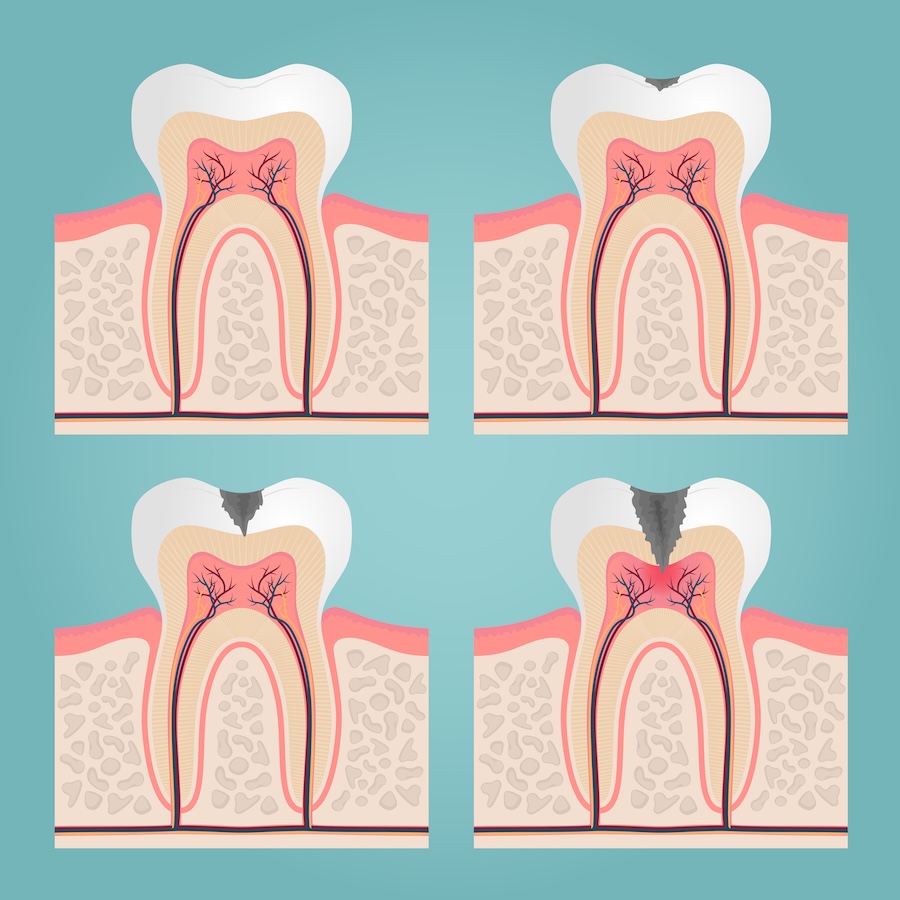
The answer depends on what stage the cavity is in. Very early tooth decay may be able to remineralize if the enamel surface has not broken down yet. However, once a true hole forms in the tooth, it will not heal on its own. At that point, brushing, flossing, fluoride, and diet changes may help slow things down, but they cannot rebuild missing tooth structure.
At Pleasant Plains Dental in Indian Trail, NC, Dr. Henry J. Ernst, Dr. Shanice Strong, Dr. Henk Grobbelaar, Dr. Nikhil Alaigh, and the team can check whether a small cavity is still in an early stage or whether it needs treatment. Some early spots can be watched and strengthened. Others need a filling before they grow. An exam helps sort out which one you are dealing with.
What Counts as a Small Cavity?
A small cavity usually means decay has started but has not caused major damage yet. It may show up as a chalky white spot, a light brown area, a dark groove, or a tiny soft spot in the enamel. Sometimes, though, it is not visible at home at all and only shows up during a dental exam or on an X-ray.
Tooth decay starts when bacteria in plaque produce acids that pull minerals out of the enamel. At first, the enamel may weaken without forming a visible hole. This early stage is often called demineralization. If the process keeps going, the surface can break down and become a cavity.
So, when dentists talk about a small cavity, they are usually looking at more than the size of the spot. They are also checking whether the enamel surface is still intact. A weak area in enamel may still be reversible. However, once the tooth has an actual opening or soft spot, the situation changes.
Because of that, a dental exam is the best way to know what stage the spot is in. A mark that looks tiny may be deeper than expected, while a stain in a groove may not be decay at all.
When a Small Cavity May Heal
A small cavity may “heal” only if it is still in the earliest stage, before the enamel surface has collapsed. In that stage, the tooth has lost minerals, but the structure is still mostly intact. With the right support, minerals can go back into the enamel and make the area stronger.
This process is called remineralization. Fluoride, calcium, phosphate, saliva, and better plaque control can all help. However, the tooth also needs fewer acid attacks from sugar, frequent snacking, or acidic drinks. Otherwise, the enamel keeps getting hit faster than it can recover.
For example, if an early white spot is found before it becomes a hole, your dentist may recommend fluoride toothpaste, fluoride treatment, prescription-strength toothpaste, sealants, or closer monitoring. Then, the area can be checked over time to see whether it is stable.
However, remineralization is not the same as growing back a missing piece of tooth. If decay has already made a hole, the tooth cannot fill that space back in naturally. That is when dental treatment is usually needed.
When a Small Cavity Needs a Filling
A small cavity needs a filling when the enamel surface has broken down or the decay has moved into the dentin, which is the softer layer under enamel. Once decay reaches dentin, it can spread more quickly because dentin is not as hard as enamel.
You may not feel pain at this stage. That is one reason cavities can slip by quietly. A tooth can look fine, feel fine, and still have decay growing between the teeth or inside a groove. Then, by the time sensitivity starts, the cavity may already be more advanced.
A filling removes the decayed part of the tooth and replaces the missing structure with dental material. This helps stop the cavity from spreading and restores the tooth so it can handle chewing more comfortably.
If a small cavity is treated early, the filling is usually smaller. However, if treatment is delayed, the cavity may grow and require a larger filling, crown, root canal, or even extraction in severe cases. That is a frustrating path, especially when the tooth could have been treated sooner.
Why Cavities Do Not Always Hurt at First
Small cavities often do not hurt because early decay starts in enamel. Enamel does not contain nerves, so the tooth may not send much of a warning at first. You may have decay developing and still chew normally.
However, once decay reaches dentin, sensitivity becomes more likely. Dentin has tiny tubules that connect toward the nerve inside the tooth. Because of that, cold drinks, sweets, air, or chewing pressure may start to trigger discomfort.
If decay moves even deeper, the nerve can become inflamed or infected. Then, the pain may become more constant, throbbing, or difficult to ignore. At that point, treatment may be more involved.
So, no pain does not always mean no cavity. It may simply mean the decay has not reached a sensitive layer yet. That is why routine exams and X-rays can catch problems before your tooth starts demanding attention.
What Helps Early Cavities Remineralize
Fluoride is one of the most helpful tools for early enamel repair. It strengthens enamel and helps the tooth resist acid. Brushing twice a day with fluoride toothpaste is a good start, but your dentist may recommend a fluoride treatment or prescription toothpaste if your cavity risk is higher.
Saliva also plays a big role. It helps wash away food particles, neutralize acid, and bring minerals back to the teeth. However, dry mouth can make cavities more likely. Certain medications, dehydration, mouth breathing, and some health conditions can reduce saliva flow.
Diet changes can help as well. It is not only how much sugar you eat, but how often your teeth are exposed to it. Sipping sweet coffee, soda, sports drinks, or juice over a long period gives bacteria more chances to produce acid. Then, the enamel has less time to recover between exposures.
In addition, better plaque control is important. Brushing, flossing, and cleaning between teeth reduce the bacteria that drive decay. If the early cavity is between teeth or in a deep groove, your dentist may recommend specific tools or preventive treatment to help protect that area.
Foods and Drinks That Can Slow Healing
Frequent sugar and acid exposure can make it harder for enamel to remineralize. Soda, sports drinks, energy drinks, sweet tea, juice, candy, cookies, crackers, and sticky snacks can all feed the bacteria that produce acid.
Acidic drinks can be a problem even when they are sugar-free. Sparkling water, citrus drinks, diet soda, and vinegar-based drinks can still soften enamel if consumed often. That does not mean you can never have them, but frequent sipping can keep the mouth acidic for longer.
Sticky foods can also hang around the teeth. Dried fruit, chewy candy, gummy vitamins, and some snack bars may cling to grooves and between teeth. Then, bacteria have more time to turn sugar into acid.
If you are trying to stop early decay from getting worse, timing helps. Having sweet or acidic foods with meals is usually better than grazing throughout the day. Afterward, drinking water can help rinse the mouth and reduce how long sugar or acid sits on the teeth.
Can Better Brushing Reverse a Small Cavity?
Better brushing can help if the cavity is still in the early demineralization stage. Removing plaque more consistently gives enamel a better chance to recover. However, brushing alone is not always enough, especially if the spot is between teeth or already has a hole.
How you brush makes a difference. Brush along the gumline, reach the back teeth, and spend enough time on the chewing surfaces where grooves can trap plaque. A quick pass with the toothbrush may leave behind the exact buildup that started the cavity.
Flossing also deserves a spot in the conversation. Cavities between teeth are common because toothbrush bristles do not clean those contact points well. If flossing has been hit or miss, improving that habit can help reduce future decay.
However, if the enamel has already broken down, better brushing will not rebuild the missing tooth. It may slow the cavity, but the tooth still needs to be checked and likely restored.
What About Fluoride Treatments?
Fluoride treatments can help strengthen enamel and may help early decay become more resistant to acid. In a dental office, fluoride can be applied as a varnish, gel, foam, or rinse, depending on the patient’s needs.
For a very early cavity, fluoride may be part of a watch-and-strengthen plan. Dr. Ernst, Dr. Strong, Dr. Grobbelaar, or Dr. Alaigh may also recommend prescription fluoride toothpaste if you have a higher cavity risk.
Fluoride is especially helpful for patients with dry mouth, frequent cavities, exposed root surfaces, braces, deep grooves, or a diet that includes frequent acid or sugar exposure. However, it works best when paired with good home care and regular dental visits.
Still, it helps to be realistic. Fluoride can help repair early mineral loss, but it cannot patch a hole. If the tooth surface has collapsed, a filling is usually the better way to stop the cavity from spreading.
Can Sealants Help Small Cavities?
Dental sealants are thin protective coatings placed over the chewing grooves of back teeth. They are often used to help prevent cavities in molars, especially when the grooves are deep and hard to clean.
In some cases, a sealant may be recommended for a very early spot that has not broken down into a hole. The idea is to seal off the groove and make it harder for plaque and food to collect there. However, the dentist has to make sure the area is appropriate for sealing first.
Sealants are not used for every cavity. If decay has already moved deeper, simply sealing over it may not be the right treatment. The tooth may need a filling instead.
For kids, teens, and cavity-prone adults, sealants can be a helpful preventive step. They do not replace brushing or flossing, but they can make vulnerable grooves easier to protect.
How Dentists Decide Whether to Watch or Treat
When a small cavity is found, the dentist looks at several details before recommending treatment. Is the enamel surface still intact? Is the spot growing? Is it in a groove, between teeth, or near the gumline? Has it reached dentin? Are you at high risk for more cavities?
X-rays can help show decay between teeth or under the surface. Visual exams can show white spots, brown areas, soft enamel, and plaque patterns. Sometimes the tooth is dried during the exam because early enamel changes become easier to see.
Your dental history also helps guide the plan. If you have had several cavities recently, dry mouth, acid reflux, braces, crowded teeth, or frequent sugar exposure, the dentist may monitor early spots more closely or recommend treatment sooner.
Watching a small cavity does not mean ignoring it. It means the dentist believes the spot may be stable or reversible, and it needs specific care and follow-up. If it changes, then treatment may be recommended.
What Happens If You Ignore a Small Cavity?
Ignoring a small cavity can give decay more time to move deeper. What starts in enamel can reach dentin, then the nerve. As the cavity grows, the tooth may become sensitive, painful, or infected.
A small filling may turn into a larger filling. Then, if enough tooth structure is lost, the tooth may need a crown. If the nerve becomes infected, root canal therapy may be needed. If the tooth is too damaged, removal may be the only option.
That does not mean every small spot becomes a dental crisis overnight. However, cavities usually do not improve once the surface has broken down. They tend to keep moving unless the environment changes or the tooth is treated.
It is much easier to deal with a small cavity than a toothache, swelling, or a broken tooth. If you know there is decay, it is better to get a clear plan instead of waiting for symptoms to make the decision for you.
How to Lower Your Risk of Cavities
Preventing cavities comes down to reducing plaque, limiting acid attacks, and strengthening enamel. Brush twice a day with fluoride toothpaste and clean between the teeth daily. These habits sound basic, but they do most of the heavy lifting.
Try to limit frequent snacking and sipping. If you have sweet coffee, soda, juice, sports drinks, or candy, having them with meals is usually better than stretching them out over several hours. Then, drink water to help rinse the mouth.
If your mouth is often dry, mention it at your dental visit. Dry mouth can raise cavity risk quickly because saliva helps protect the teeth. Your dentist may recommend hydration strategies, saliva substitutes, fluoride, or changes based on the cause.
Regular dental visits also help. Cleanings remove buildup you cannot remove well at home, and exams catch early spots before they need larger treatment. If you are cavity-prone, your dentist may suggest more frequent checkups.
Small Cavity Care in Indian Trail, NC
Small cavities can sometimes be stopped or strengthened if they are still in the earliest stage and the enamel surface has not broken down. However, once a true hole forms, the tooth will not heal on its own. At that point, a filling or another treatment may be needed to protect the tooth.
At Pleasant Plains Dental in Indian Trail, NC, Dr. Henry J. Ernst, Dr. Shanice Strong, Dr. Henk Grobbelaar, Dr. Nikhil Alaigh, and the team can check whether a small cavity can be monitored or whether it needs treatment. They can also help you understand what caused it and how to lower your risk moving forward.
If you have been told you have a small cavity, or if you noticed a white spot, dark groove, or new sensitivity, schedule a visit with Pleasant Plains Dental. A quick exam can help you find out whether the tooth can be strengthened or whether it needs a simple repair before the problem grows.
FAQs
Can small cavities heal on their own? Very early enamel changes may be able to remineralize before a true hole forms. However, once the tooth surface breaks down into a cavity, it will not heal on its own and usually needs dental treatment.
How do I know if a cavity is too far gone to heal? You usually need a dental exam to know. If the enamel has broken down, the spot is soft, decay has reached dentin, or the cavity shows clearly on an X-ray, a filling or another treatment may be needed.
Can fluoride reverse a small cavity? Fluoride can help repair early mineral loss in enamel and make teeth more resistant to acid. However, fluoride cannot rebuild missing tooth structure once a hole has formed.
Can brushing make a small cavity go away? Better brushing can help early enamel demineralization stabilize or remineralize. But if the tooth has an actual hole, brushing will not make it disappear.
Does a small cavity always need a filling? Not always. If it is still an early enamel spot, your dentist may recommend fluoride, better home care, diet changes, and monitoring. If the surface has broken down or decay is spreading, a filling is usually recommended.
What happens if I wait to treat a small cavity? The cavity may grow deeper and eventually cause sensitivity, pain, infection, or tooth breakage. Waiting can also turn a small filling into a larger filling, crown, root canal, or extraction.
Extended Office Hours
| Monday | 7:30am-8:00pm |
| Tuesday | 7:30am-8:00pm |
| Wednesday | 7:30am-8:00pm |
| Thursday | 7:30am-8:00pm |
| Friday | 7:30am-5:00pm |
| Saturday | 8:00am-2:00pm |
 Watch Our Practice Video!
Happy, Healthy Smiles
for the Whole Family
- Comprehensive Dental Treatments
- Family-Friendly Care
- Convenient Extended & Saturday Hours
- Advanced Technology
- Modern Patient Amenities
- Start-to-Finish Dental Implants
- Lumineers® & Professional Whitening
- Invisalign®
- Root Canal Therapy
- Wisdom Teeth Extraction
- Multilingual Staff
- Relaxing Sedation Options
- Payment Plans & Dental Savers Plan
- In-Network with Most Insurances
New Patient Special: Free Dental Implants Consultation