Have You Used Your Dental Insurance Benefits This Year?

It is easy to keep paying for dental insurance while the visits you meant to schedule stay on the calendar for another month. By November, you may be unsure whether you had one cleaning or two, or how much the plan has paid toward treatment. Checking now can leave time to use eligible benefits for recommended care before your benefit year ends.
At Pleasant Plains Dental in Indian Trail, North Carolina, Dr. Henry J. Ernst and our team can review your dental needs and help you understand estimated coverage. Our current dental team also includes Dr. Shanice Strong, Dr. Henk Grobbelaar, and Dr. Nikhil Alaigh. We file and track insurance claims and can explain the information to review before you schedule year-end care.
This Year’s Visits and Claims
Start with your insurer’s member account and look at completed and pending claims. A recent visit may not yet be reflected in the remaining annual maximum. Once that claim is processed, the amount available for another procedure can change.
Include dental care received at other offices, since those claims may use the same benefits. If you have had specialist treatment, the claim may be submitted separately and appear later. Sharing those recent visits with our team helps us review your estimate using the most current information available.
Your Benefit Year
Many plans reset in January, although some use a different twelve-month period. Unused benefits usually expire at the end of that period, with limited rollover available under some policies. Check your own dates and rules before arranging care around a December deadline.
If you are getting a new policy in January, check it before assuming it will pay the same amount as this year’s plan. The network or the amount allowed for treatment may change. We can help review the information available so you can consider the cost alongside when the tooth needs care.
Treatment You Still Need
If we have recommended a filling, crown, or periodontal treatment, ask whether it is time to arrange the visit. A tooth can deteriorate while it remains painless, so postponing care until discomfort begins may lead to a larger repair. We can explain which findings need treatment sooner and which can be monitored.
If several procedures are needed, the order should follow your clinical needs. Some treatment may safely be staged across benefit years, while infection or a tooth that is breaking may require earlier care. We can work through that timing with you before you decide which visits to arrange this year.
Coverage for Cleanings and Exams
Your plan may pay for a set number of cleanings or exams each year, or require a certain interval between visits. Fluoride, X-rays, and periodontal maintenance can have separate limits. Having benefits remaining does not automatically mean every preventive service is eligible again.
If you are overdue for a cleaning, we can check your plan when you call and explain what it is expected to pay. We’ll also go over how often you should come in for your gums and cavity risk. Some patients need periodontal maintenance more often than their policy pays for in full, and we can estimate those extra visits before you book.
Your Estimated Treatment Costs
The remaining annual maximum is the amount the insurer may still pay, subject to the policy’s other rules. Your deductible, coinsurance, exclusions, and network fees affect the amount owed for a specific procedure. We can provide an estimate before treatment so you can review both portions of the fee.
We are in-network with many major PPO plans, but participation should be checked for your exact policy. If more involved treatment is planned, a predetermination may help clarify anticipated coverage. The insurer still decides final payment based on the claim and coverage in effect when care is provided.
FSA, HSA, and Payment Options
An FSA or HSA may help pay eligible dental expenses, although its rules are separate from dental insurance. Ask the account administrator about deadlines, documentation, and whether the expense qualifies. HSA funds generally remain available across years, while FSA carryover or grace-period provisions depend on the plan.
If you need other arrangements for your share, ask about the options available through our office. We offer our Dental Savers Plan and financing through CareCredit and Sunbit, subject to their terms. Before using an arrangement, we can explain whether it fits your situation and whether it can be combined with any existing coverage.
Scheduling Year-End Treatment
If you are planning implant treatment here, ask us to review the stages before scheduling around a benefits deadline. Our team provides implant placement and restorations, and the surgery, healing period, and final tooth may involve separate visits and benefit rules. We can explain the expected sequence and estimated fees before you assume the entire procedure will fall into one plan year.
Calling earlier leaves more room to check the estimate and find visits that fit your week. If the tooth has changed since the original exam, we may need to see it again first. Mention new pain or swelling when you call so we can work out how quickly you need to be seen.
Year-End Dental Care in Indian Trail, North Carolina
If you’re unsure what benefits remain or which treatment to schedule first, contact Pleasant Plains Dental. We can review the care recommended for your teeth and explain the expected costs before arranging visits. Schedule with our Indian Trail, North Carolina team, and let us help you put your coverage toward the dental care you need!
Extended Office Hours
| Monday | 7:30am-8:00pm |
| Tuesday | 7:30am-8:00pm |
| Wednesday | 7:30am-8:00pm |
| Thursday | 7:30am-8:00pm |
| Friday | 7:30am-5:00pm |
| Saturday | 8:00am-2:00pm |
 Watch Our Practice Video!
Happy, Healthy Smiles
for the Whole Family
- Comprehensive Dental Treatments
- Family-Friendly Care
- Convenient Extended & Saturday Hours
- Advanced Technology
- Modern Patient Amenities
- Start-to-Finish Dental Implants
- Lumineers® & Professional Whitening
- Invisalign®
- Root Canal Therapy
- Wisdom Teeth Extraction
- Multilingual Staff
- Relaxing Sedation Options
- Payment Plans & Dental Savers Plan
- In-Network with Most Insurances
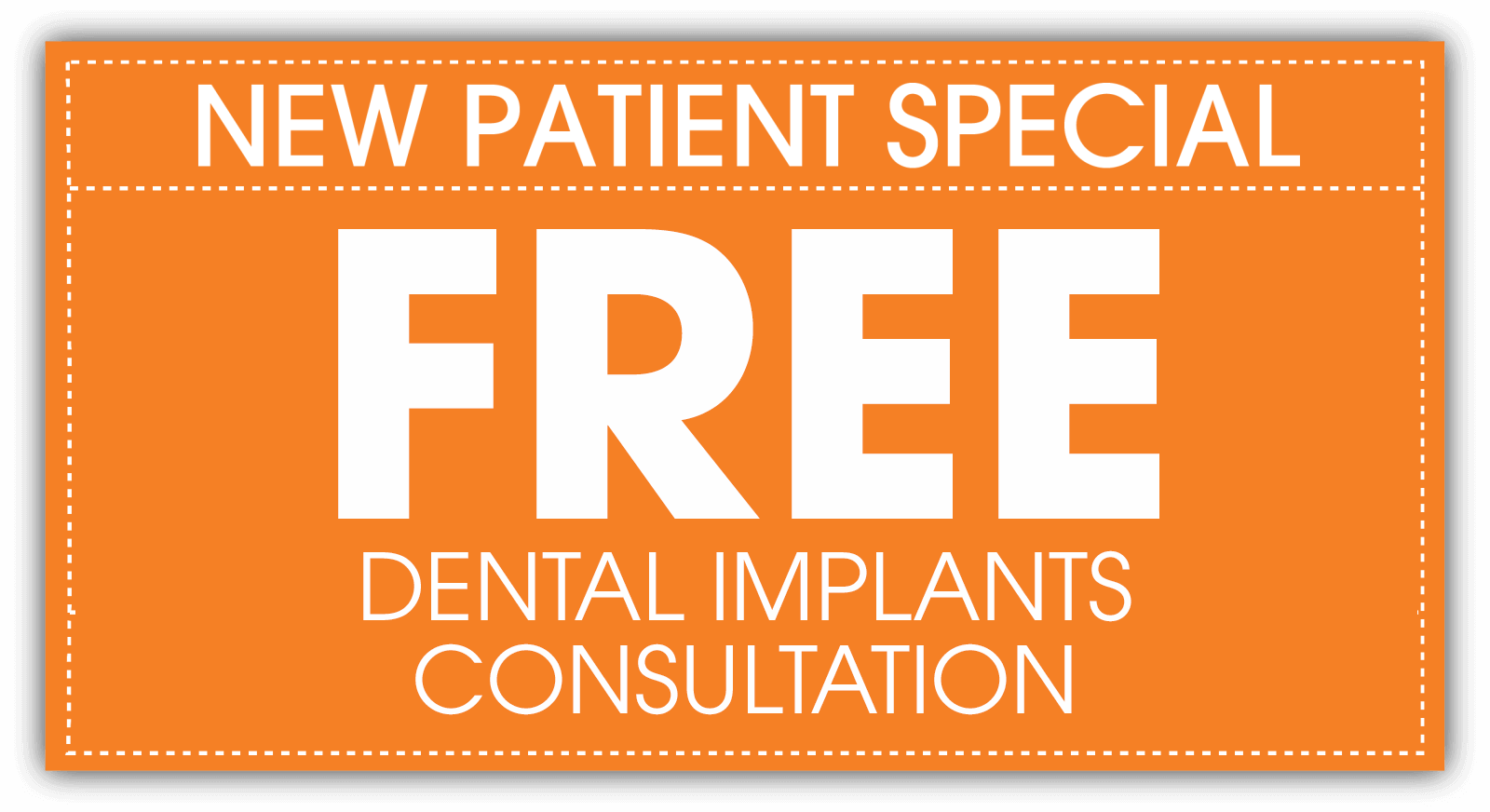
New Patient Special: Free Dental Implants Consultation