
How to Pack a Tooth-Friendly Lunchbox
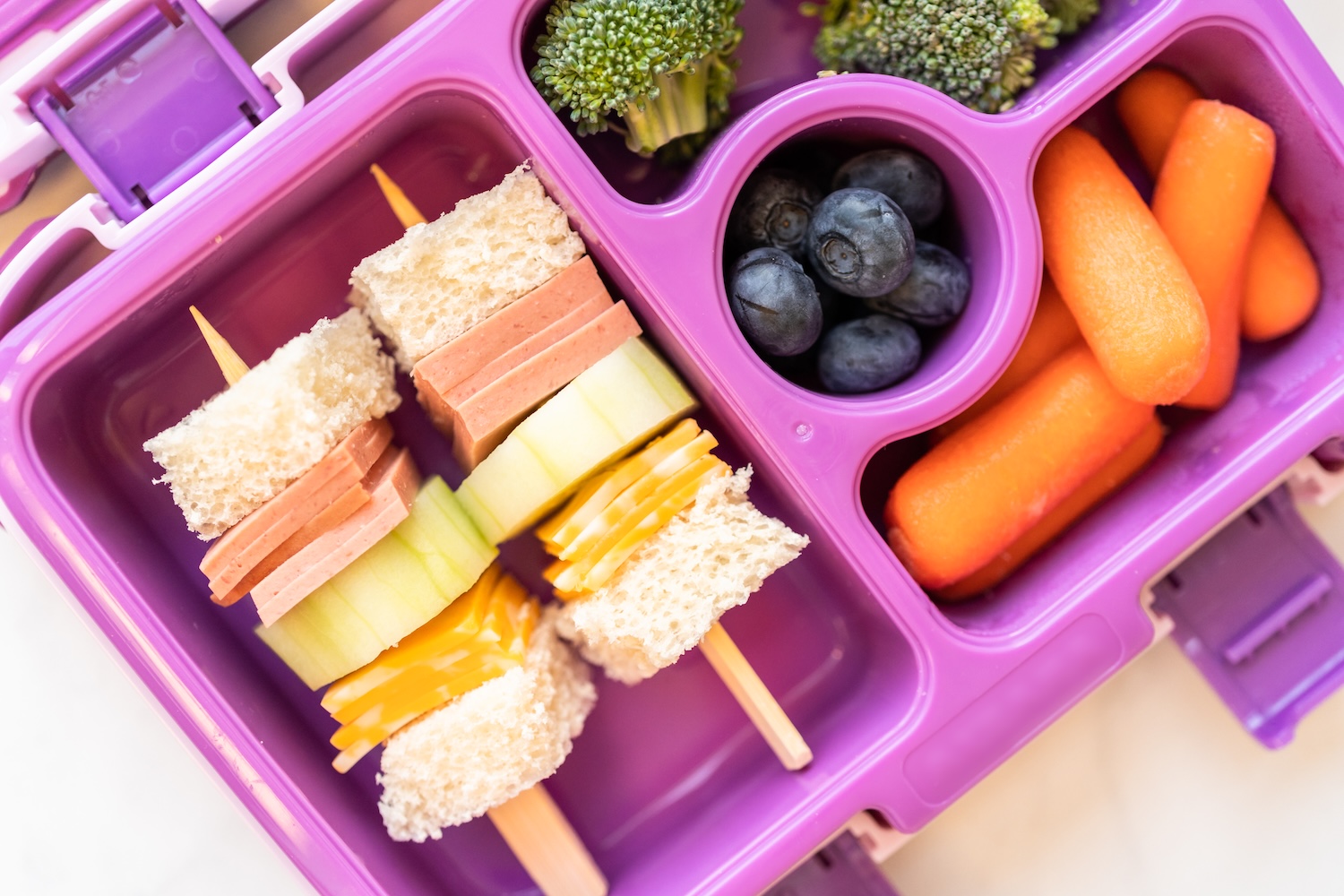
Back-to-school season brings lunchboxes back into the daily routine, and after a little while, most families figure out which foods their kids will actually eat. Sandwiches, fruit, crackers, yogurt, cheese, and a favorite treat can all have a place. While you are packing those familiar foods, a few small choices can also make lunch easier on your child’s teeth.
You do not need to change the whole lunchbox to do that. Often, it comes down to what gets packed together, what your child drinks, and whether sugary or sticky foods keep showing up throughout the day. Since most kids are not brushing after lunch at school, those choices have several hours to affect the teeth before evening brushing.
At Pleasant Plains Dental in Indian Trail, NC, Dr. Henry J. Ernst, Dr. Shanice Strong, Dr. Henk Grobbelaar, and Dr. Nikhil Alaigh help families keep dental care realistic for everyday life. School lunches are part of that routine because kids spend so much of the day away from home. A few smart swaps can support their teeth without making lunch feel unfamiliar.
How to Pack a Tooth-Friendly Lunchbox
Start with something filling that your child already likes. A turkey and cheese sandwich, hummus with pita, eggs, chicken, cheese and crackers, or nut or seed butter can all work depending on school rules and your child’s preferences. Once the main part is covered, fruit, vegetables, yogurt, or another side can round out the meal.
From there, look at how many sticky or sugary foods are ending up in the same lunch. A granola bar, fruit snacks, crackers, cookies, and juice can add up quickly even though each item may seem small by itself. Replacing one or two of those with cheese, fresh fruit, vegetables, or water can change the way the whole lunch affects the teeth.
Dessert can still fit. A cookie or small sweet eaten with lunch is different from candy or sugary snacks being eaten little by little all afternoon. When the treat stays with the meal, the mouth gets more time afterward without another round of sugar.
Start With Foods That Keep Kids Full
A child who is still hungry after lunch is probably going to look for another snack before long. Protein and other filling foods can help lunch last further into the afternoon. Turkey, chicken, eggs, cheese, hummus, beans, and nut or seed butters can all work well.
Cheese is especially easy to pack because it works with sandwiches, fruit, or crackers. It also provides protein and calcium without adding much sugar. Yogurt can be another good choice, although flavored varieties can vary quite a bit in added sugar.
The best lunch is still one your child is likely to eat. A container full of foods they consistently leave behind does not help much, no matter how good it looked when you packed it. Familiar foods make a good starting point, and small changes around those foods are often easier to keep.
Add Fresh Fruit and Crunchy Vegetables
Fresh fruit adds sweetness without the sticky texture of gummies or fruit snacks. Apples, grapes, berries, melon, oranges, and pears can all travel well with a little preparation. For younger children, cutting fruit into smaller pieces may make it easier to finish during a short lunch period.
Crunchy vegetables can sit right alongside the fruit. Carrots, cucumber slices, bell peppers, celery, and snap peas are easy to pack and do not tend to cling to teeth the way chewy snacks can. If your child likes dip, hummus or another favorite can make those vegetables more appealing.
Dried fruit behaves differently because it can stick around the molars. Raisins, dried cranberries, and fruit leather may stay in the grooves of the teeth longer than fresh fruit. If your child likes them, including them with lunch instead of sending them as a separate snack can reduce how long they linger in the mouth.
Watch the Sticky Snacks
Sticky snacks can be harder on teeth because they tend to stay put after lunch is over. Fruit snacks, chewy granola bars, gummy candy, and some dried fruits can press into the grooves of the back teeth. Since most kids will not brush again until they get home, that residue may stay there for several hours.
Granola bars are a good example because the ingredients can vary a lot. Some are mostly oats and nuts, while others contain syrup, honey, chocolate, or dried fruit that makes them much stickier. Reading the label can help, but the texture is a clue as well.
If your child likes one of those foods, it can still be packed with the meal. Water afterward can help rinse away some of what remains, while the rest of the lunch can include foods that clear from the teeth more easily. That keeps the lunch familiar without loading it with several sticky choices at once.
Keep Crackers and Chips in Their Place
Crackers, pretzels, and chips are easy lunchbox staples, and plenty of kids enjoy them. Once chewed, though, refined starches can break down into sugars and settle into the grooves of the teeth. The effect is greater when most of the lunch is made up of those kinds of foods.
Pairing crackers with cheese, turkey, hummus, fruit, or vegetables gives the meal more variety. A serving of crackers beside a sandwich and fruit puts them in a different role than a lunchbox filled mostly with pretzels, chips, and cookies. Your child still gets the crunch they like, while the rest of the meal does more of the filling.
If chips are a favorite, a smaller serving alongside the main food can work well. That keeps them in the lunch without letting them crowd out foods that offer more protein or fiber. The lunch still feels familiar, but it has more staying power.
Make Water the Everyday Drink
If you want one easy change that supports teeth, water is a strong place to start. It does not add sugar or acid, and it helps rinse food particles from the mouth after lunch. A refillable bottle also gives kids something they can keep with them through the rest of the school day.
Juice, sports drinks, soda, sweet tea, and flavored drinks can all contain sugar, acid, or both. The bigger issue often comes when a child takes a few sips at lunch and keeps the drink around for the next hour or two. Each sip exposes the teeth again.
If juice is part of lunch sometimes, having it with the meal is better than stretching it across the afternoon. After lunch, water can take over. That gives the mouth more time to recover before the next snack.
Save Sports Drinks for Sports
Sports drinks often end up in school bags because practice starts right after class. For long or intense activity, especially in hot weather, there may be situations where they are useful. On a typical school day, however, water is usually enough.
Many sports drinks contain both sugar and acid. If your child starts one at lunch and keeps sipping until practice ends, their teeth stay exposed for a long stretch. Keeping the drink closer to the activity limits that window.
You can pack water for the school day and handle practice separately. That keeps the lunchbox routine simple while still leaving room for a sports drink when it is actually needed. For most kids, water can cover the rest of the day.
Keep Treats With the Meal
A tooth-friendly lunchbox can still include a cookie, brownie, or small piece of chocolate. What matters more is when it gets eaten. A sweet with lunch gives the mouth more recovery time afterward than something that gets nibbled through several classes.
Saliva production is already higher during a meal, which helps the mouth clear food and neutralize acids afterward. Drinking water after lunch can help rinse away some of the remaining sugar and food particles. Then the teeth get a longer break before the next snack.
This also keeps lunch feeling normal. Kids notice when every favorite disappears at once, and that can make the whole plan harder to stick with. Keeping a treat in the meal while making other parts of the lunch more tooth-friendly is often a better fit for everyday life.
Pay Attention to How Often Snacks Show Up
Some kids have a morning snack, lunch, an afternoon snack, and then something else before practice. That can make sense during a long school day, especially for active kids. The problem comes when every one of those eating times includes something sugary, sticky, or highly starchy.
Fruit snacks in the morning, crackers at lunch, a chewy bar after school, and a sports drink at practice create several separate exposures. Swapping one or two of those for cheese, fresh fruit, yogurt, nuts where allowed, or water gives the teeth more breaks between eating. Those changes do not have to happen all at once.
If the lunchbox is heavy on packaged snacks, start with one swap your child is likely to accept. Maybe water replaces juice, or fresh fruit replaces gummies a few days a week. Once that feels normal, another change is easier to make.
Pack With Braces in Mind
Braces can change which lunchbox foods are easiest to eat. Very hard foods can put pressure on brackets, while sticky candy and chewy snacks can pull on wires or get tangled around the hardware. Preparing food a little differently can make lunch much more comfortable.
Whole apples and raw carrots, for example, may be easier when cut into smaller pieces. Softer sandwiches, yogurt, cheese, sliced fruit, and cooked vegetables can also work well. If a food usually requires a lot of biting or tugging, it may be better saved for after the braces come off.
Food can collect around brackets more easily, so cleanup becomes part of the school-day routine. If your child can brush after lunch, a travel toothbrush can be useful. If not, rinsing thoroughly with water can help until they get home and have more time to clean around the brackets and gumline.
Plan Ahead for Clear Aligners
Clear aligners add a different step to lunch because the trays need to come out before eating. A case should go into the backpack along with the lunch, since wrapping aligners in a napkin makes them very easy to lose. Keeping the case in the same pocket every day can make the routine more automatic.
After lunch, brushing before putting the trays back in is ideal. However, short lunch periods and busy school bathrooms do not always make that possible. When brushing has to wait, rinsing the mouth well with water can help until your child gets home.
Once they are home, both the teeth and the aligners can get a more thorough cleaning. Food and plaque left under the trays for hours can raise the risk of cavities and gum irritation. Building that cleanup into the after-school routine can help keep aligner treatment on track.
Plan the After-School Snack Before the Day Starts
For many kids, lunch only gets them partway through the day. By the time school ends, they may be hungry again, especially if practice, rehearsal, or another activity comes next. Packing an after-school snack ahead of time can make that transition easier.
Cheese, yogurt, fruit, nuts where permitted, vegetables with dip, or half a sandwich can all work depending on appetite. Pairing the snack with water keeps another sweet drink from becoming part of the afternoon. For a child heading into sports, a more filling snack may also help them avoid grazing all the way to dinner.
Having the snack ready can be useful on busy days when everyone is moving from one place to the next. It cuts down on last-minute stops and gives your child something they already know is in the bag. That can make the afternoon easier for both appetite and teeth.
Keep Brushing and Flossing Steady at Home
Lunch choices can help during the school day, but brushing and flossing still do most of the cleaning. Plaque continues building even when the lunchbox is packed carefully. Morning and evening care is what clears that buildup away.
Kids should brush with fluoride toothpaste and clean between their teeth regularly. Younger children may still need help reaching the back teeth, while older kids may need reminders not to rush through the routine. If braces are involved, cleaning around brackets and wires can take a little longer.
Evening brushing is especially useful after a full day of meals and snacks. By then, the teeth have been through breakfast, lunch, after-school food, and possibly practice. A thorough clean before bed gives them a fresh start for the next day.
Tooth-Friendly Lunchbox Tips From Pleasant Plains Dental in Indian Trail, NC
A tooth-friendly lunchbox can still look a lot like the lunch your child already knows. Start with something filling, add fruit or vegetables, keep water handy, and let treats stay with the meal instead of stretching across the afternoon. From there, a few small swaps can make the school day easier on the teeth without turning lunch into something your child no longer wants to eat.
At Pleasant Plains Dental in Indian Trail, NC, Dr. Henry J. Ernst, Dr. Shanice Strong, Dr. Henk Grobbelaar, and Dr. Nikhil Alaigh can help families keep healthy habits working at home, at school, and everywhere in between. If your child is due for a cleaning, has braces or aligners, or you have questions about keeping their teeth healthy during the school year, call Pleasant Plains Dental to schedule a visit!
Extended Office Hours
| Monday | 7:30am-8:00pm |
| Tuesday | 7:30am-8:00pm |
| Wednesday | 7:30am-8:00pm |
| Thursday | 7:30am-8:00pm |
| Friday | 7:30am-5:00pm |
| Saturday | 8:00am-2:00pm |
 Watch Our Practice Video!
Happy, Healthy Smiles
for the Whole Family
- Comprehensive Dental Treatments
- Family-Friendly Care
- Convenient Extended & Saturday Hours
- Advanced Technology
- Modern Patient Amenities
- Start-to-Finish Dental Implants
- Lumineers® & Professional Whitening
- Invisalign®
- Root Canal Therapy
- Wisdom Teeth Extraction
- Multilingual Staff
- Relaxing Sedation Options
- Payment Plans & Dental Savers Plan
- In-Network with Most Insurances

New Patient Special: Free Dental Implants Consultation